

Commitment Starts When The Fun Stops
Earlier this week, I recorded a podcast episode with a host I’d done a webinar with a couple of months ago. He invited me back to tell my story, which is something I’ve done enough times that I can usually pull out whichever chapter makes sense for the audience.
I can talk about starting my business three and a half years ago while my family was launching into RV full-time life. I can talk about being a highly ambitious stay-at-home mom who always had some side hustle going while I raised babies, changed diapers, and quietly collected skills I didn’t yet know I would need. I can tell the version where I went from teacher to hourly employee to freelancer to high-ticket contractor to group program coach, and eventually becoming a consultant.
But this conversation meandered differently. Instead of zooming in on one chapter, I found myself looking at the whole thing: nearly 20 years of work, motherhood, side hustles, clients, mistakes, pivots, and experiences that didn’t seem connected when I was living them, but looking back, they stack almost perfectly.
And every season made me more capable for the next one.
Managing a small mom-and-pop restaurant taught me how much communication matters when you’re responsible for a team. People need clear expectations, and they need a manager who respects their schedules instead of treating everyone else’s time like it belongs to the business.
Being a math teacher showed me that instructional value only gets you so far if no one is paying attention. The lesson has to be interesting enough to keep people with you, because when they’re engaged, they understand it better and have a much better chance of remembering it later.
Then there were the years of managing a family of seven, with the budgeting, meal planning, nap schedules, potty training, and approximately four thousand moving pieces on any given day. That season taught me there is such a thing as too much structure because you cannot force human beings to follow your perfectly organized plan simply because the plan makes sense to you.
People need room to make choices, and sometimes the system has to bend because real life does not care about your color-coded schedule.
Just for funsies, here’s a real text message from that season of life 7 years ago 👇
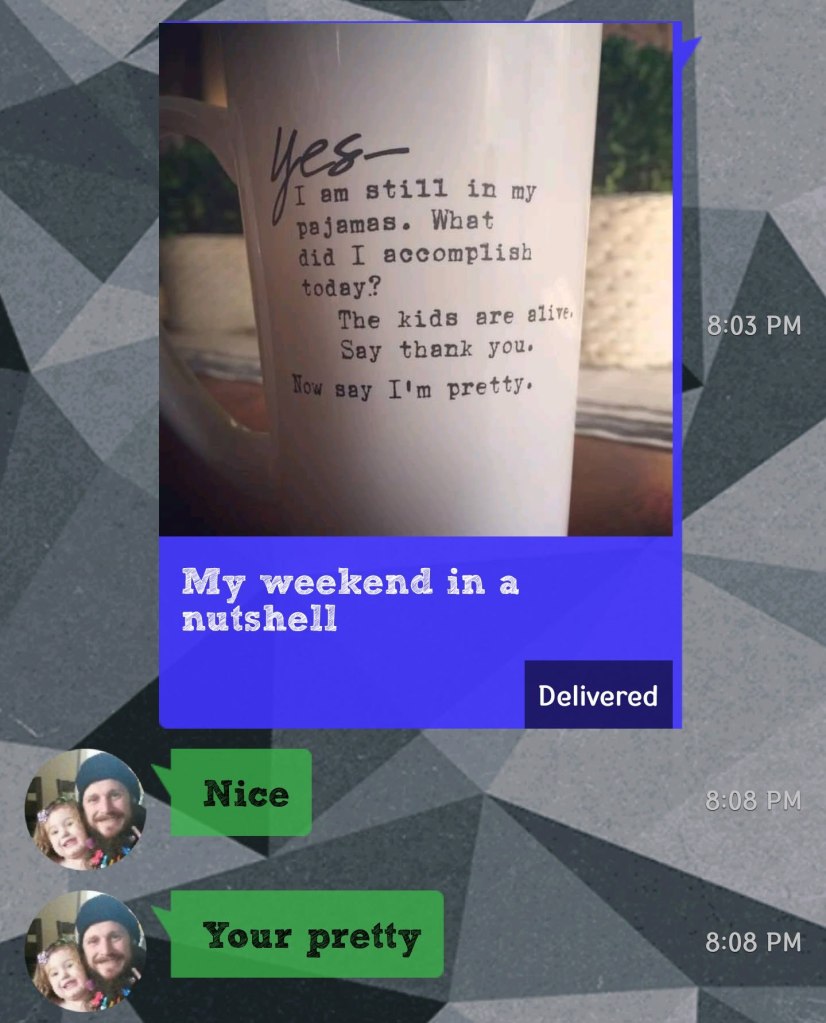
(ps- my husband understood the assignment)
Even though most of those experiences weren’t directly business-related, all of them show up in the way I work now.
I’m a better systems consultant and strategist after years of helping businesses grow, watching what worked, applying what I’d learned while working my many side hustles, and discovering where the neat advice from a book got considerably less neat in real life.
The Part You Can’t Learn From a Book
There is business knowledge, and then there is wisdom about how to use that knowledge when the numbers dip, the market changes, the plan stops working, or you’re simply tired.
You can learn principles from a coach, a course, or a very confident person on LinkedIn, but judgment gets built while you’re making decisions without the benefit of hindsight.
I think one of the most frustrating parts of entrepreneurship is that we want to skip ahead to the version of ourselves who knows what to do, makes the right call, and sails smoothly into the next revenue goal, but the fact is that the experiences we’d happily skip are often the ones developing the maturity we keep wishing we already had.
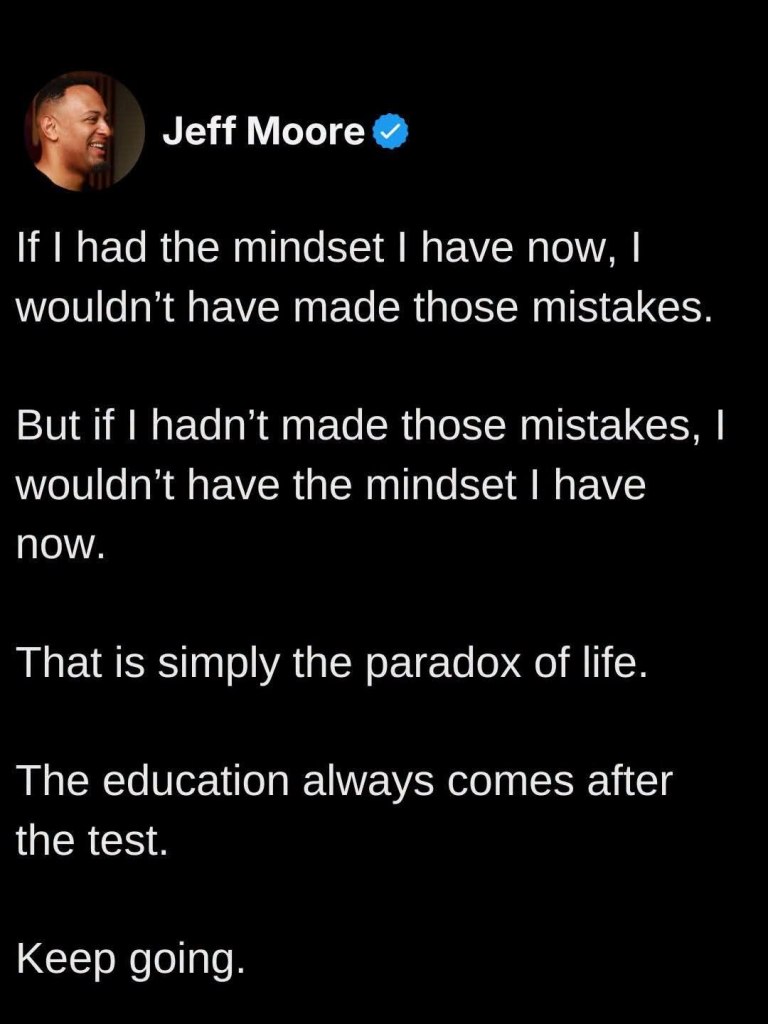
The longer I do this, the more building a business feels like running a marathon. You can train, study the course, and prepare yourself as well as possible, but you still won’t know exactly how mile 18 feels until you’re standing in mile 18.
No runner begins a 26.2-mile race expecting every mile to feel equally good.
Some miles feel strong, and you catch a downhill at exactly the right time. Others are slow and ugly, and the only reasonable option is to walk for a while so you can keep going. You may even need someone beside you to remind you that feeling terrible right now doesn’t erase all the ground you’ve already covered.
And while excitement is easy when you’re running your best mile, the real commitment shows up after your pace dips, your legs hurt, and the finish line is still nowhere in sight.
In business, those are the stretches when the strategy that used to work suddenly doesn’t, the numbers aren’t giving you much encouragement, and you start wondering whether everyone else got a better map.
You may need to slow down or choose a different route, but you still have to decide whether you’re willing to keep running.
That’s also where maturity starts to show. You learn when to push, when to adjust your pace, when to accept help, and when the only job for that particular mile is to keep putting one foot in front of the other.
You Still Have to Run the Next Mile
But staying in the race requires more than sheer stubbornness. The real work is learning to separate a difficult mile from a dead-end route, especially when you’re tired, disappointed, and too close to the problem to see it clearly.
You change an approach that has stopped working without assuming the whole business needs to be thrown away. You accept encouragement when you need it, and you keep collecting the wisdom that can only come from doing the work.
Success isn’t always reaching the finish line faster. Sometimes it’s staying in the race long enough to become the person who can finish it.
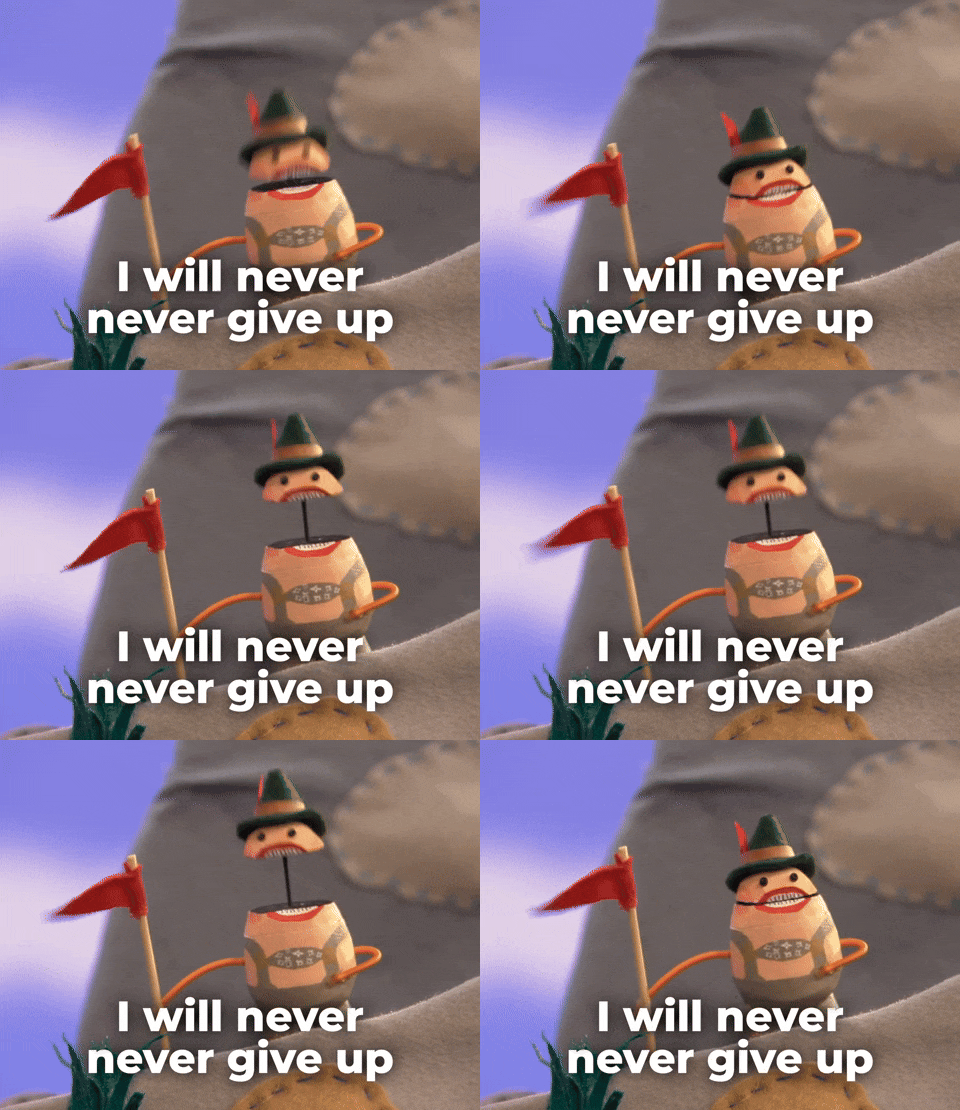
I wish I could wrap this up with a perfectly articulated finish line for my own business, but I can’t. I am very much still running this race and here are plenty of people with opinions about where it should go next, but I’m still wrestling with what I want the next part of the course to look like.
All I DO know is I’m not at the finish line and, depending on where we count the starting line, I may still be somewhere in the first third of the race.
And this isn’t the mile where I quit.
Weekly Challenge
Take a few minutes this week and locate yourself in your own race:
- Look back at your starting line. Go farther back than the official launch date if you need to. Which experiences prepared you for the work you’re doing now, even if you couldn’t see the connection at the time?
- Name your current mile. Are you running strong, grinding through a difficult stretch, or walking for a while so you don’t burn yourself out trying to maintain a pace that doesn’t fit this season?
- Plan for the hard miles. What helps you continue when quitting sounds easier: changing your approach, slowing down, asking someone to run beside you, or remembering how much ground you’ve already covered?
If you want the AI prompt that will help you work through this challenge, head over to my free Notion AI Skool community. Then email me or send me a DM and tell me what mile you’re on and one thing that helps you stay encouraged during the hard ones.
I’d genuinely love to hear your answer. I’m still out here running mine too.

